A case study in the superannuation industry …..
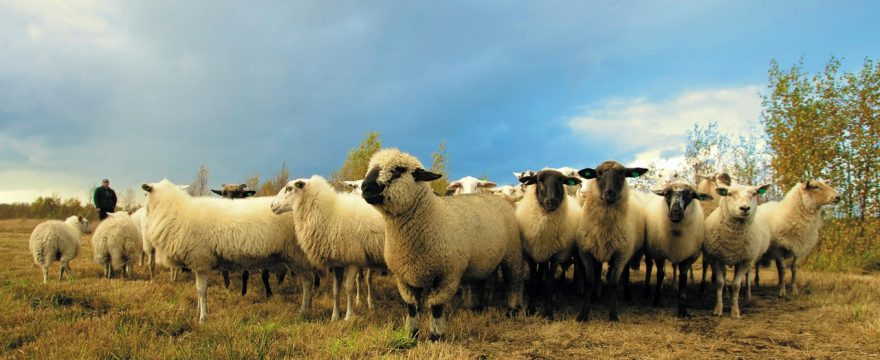
Marketers generally love the idea of social proof – the theory that people look to the actions of their peers to make decisions in situations where they are uncertain of how to act. Our natural urge to ‘follow the herd’ can be a very strong motivator to both action and inaction, and marketers often leverage this to help us along the purchase funnel. This is via techniques such as customer testimonials, ratings and reviews, expert endorsements and sharing numbers about the large number of customers that have already bought the product.
Why does it happen?
The herd mentality is an evolutionary bias that’s designed to protect us – alone we died, so we were pre-programmed to follow the herd. In many cases it’s a good thing. For example, when we are faced with lots of choices, or some ambiguity, being provided information about the choices others are making will generally help us make decisions without overwhelming our tired brains.

The pitfalls of normalising undesirable behaviour
But in some cases we also have a tendency to follow the herd, even when we know the behaviour is wrong. An often cited example of this effect is the impact of social proof on the theft of petrified wood in an Arizona forest.
In the quest to reduce the theft of 200 million-year-old petrified wood, experiments were conducted, including with signs that said “Many past visitors have removed the petrified wood from the park, changing the state of the Petrified Forest”.
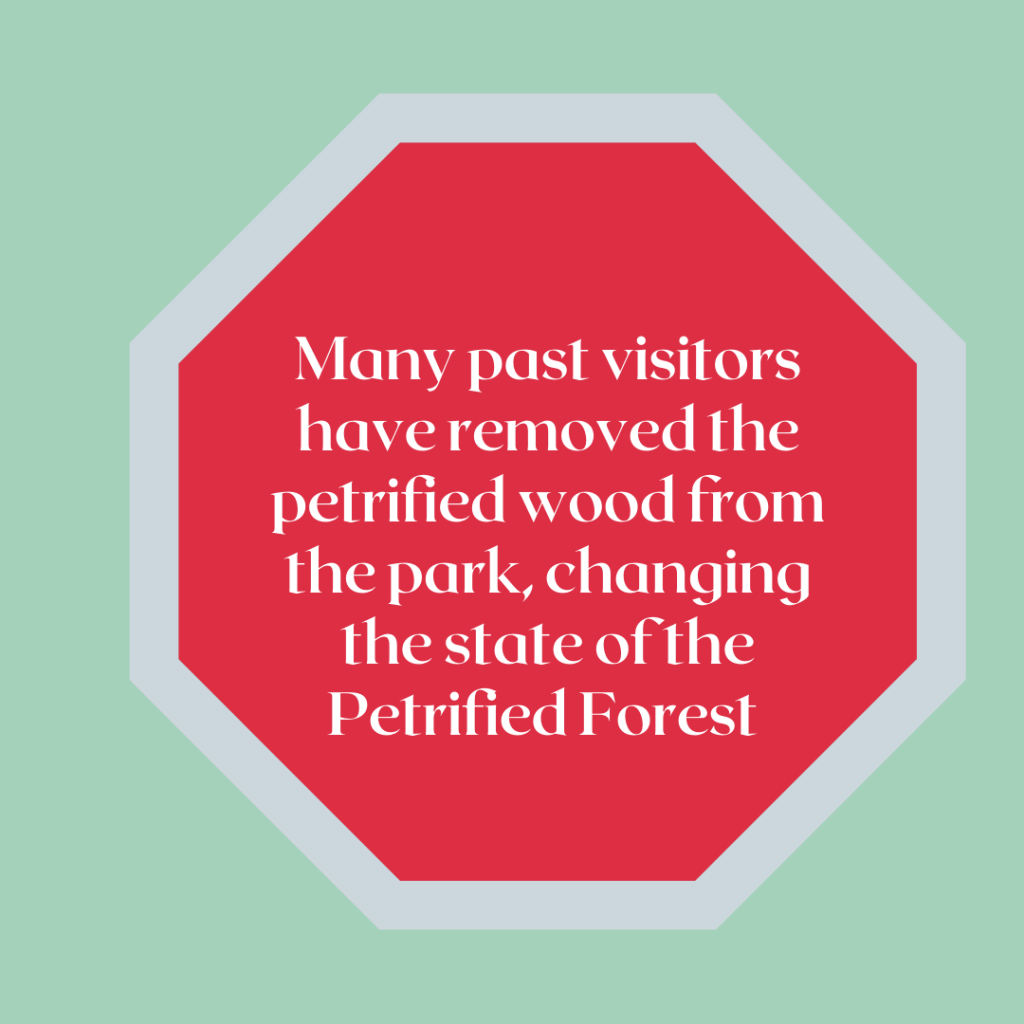
Instead of reducing theft, theft actually increased from 2% to 8% following the installation of these signs. The behaviour of taking petrified wood from the forest was unfortunately normalised as a result of these signs.
Our natural urge to ‘follow the group’ is so strong, experiments have shown that murder and suicide rates are tightly correlated to publicised, similar events.
This has led some countries to impose reporting restrictions on cases of suicide for example.
Superannuation, investment switching and social proof
Some superannuation funds in Australia (similar to pension funds in the UK or 401k plans in the USA) recently had a brush with the downside of social proof. When share markets started to tank in March this year as a result of large uncertainty around the Coronavirus pandemic, a segment of super fund customers wanted to avoid large losses and quickly moved to switch their share assets into more conservative cash assets. For many super fund customers this was the wrong decision as it meant they locked in their losses to date, and may in fact have had a long enough period of time before needing to access these funds for the share market to likely recover – had they stuck with their original investments. This irrational behaviour is driven by our bias towards avoiding losses, but that’s another behavioural science principle for another day.

Unfortunately while this was happening, some super funds were very vocal about being ‘inundated’ with calls and emails from their customers about wanting to switch to more conservative assets. Some funds even publicly acknowledged the flight to cash assets in press interviews. These types of communications would have normalised that outlook and behaviour and no doubt led to more poor investment switches than would have been likely otherwise. It’s a serve of social proof reinforcing loss averting drivers of behaviour – a double whammy. And the rational argument of waiting out the volatility unfortunately loses its impact in the throes of an emotional response.
What funds should have done instead – and some in fact did – is continually highlight that most customers were in fact sticking with their current investments and riding out the share market volatility.
So while social proof can be an invaluable tool in a marketer’s arsenal, it can also backfire if you unintentionally normalise the wrong or undesirable behaviours. Perhaps just like with suicide reporting, more super funds could have sanitised the details of what their customers were doing rather than shouting it from the rooftops.
Leave a Reply