
Customers generally feel the pain of paying at a time when there are immediate transition costs, while at the same time there is uncertainty around any benefits sometime in the future.
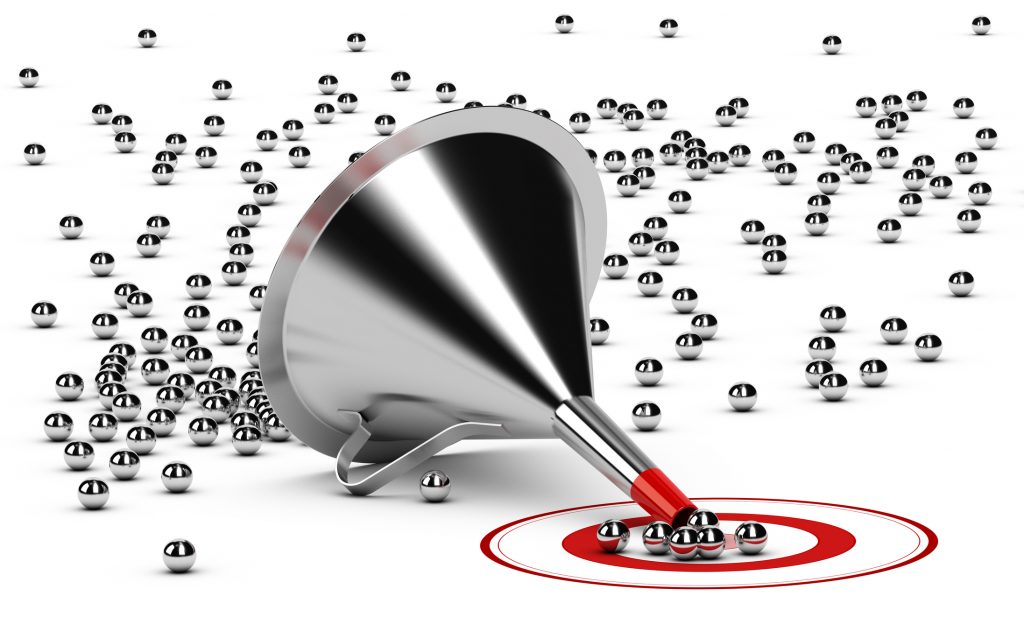
When you are buying something new, there’s often a transition or switching cost that is fairly certain. But the value or benefits are both uncertain AND might not come until much later. That’s one of the reasons why most sales funnels generally have a pretty sharp drop off and conversion rates suffer. Transition costs are not only the actual money cost of the product or service you are buying but can be the effort involved adjusting to the new product or service.
For example, if you buy a new kitchen, once installed you have to spend quite a bit of time sorting through your pots, pans, crockery and that cluttered miscellaneous items drawer that everyone seems to have. Or if you buy a financial advice session, you have to prepare for it, which means looking or preparing budgets and getting a good sense of your financial position. By the way, you’re in the minority if that’s your idea of a fun evening!
As for the benefits of getting advice … will the advisor give you great advice that will have a big impact on your finances in the decade to come? You won’t know for potentially many years later, or at all – so there is a lot of uncertainty there. Will you love the new kitchen enough to justify the cost and effort of installing and setting it up? After all, you could have spent that money on a trip on your bucket list, or something else you’re passionate about.
Two ways to improve your sales funnel in relation to transition costs
1. Increase certainty around product or service quality
- Offer a money back guarantee (and make it easy to apply)
- Show customer testimonials or ratings
- Give free previews or trials
- Show data on previous successes (sales numbers, companies you’ve worked with, case studies with past customers or clients)
- Provide data on how your competitors compare (from an objective, independent source)
2. Remove friction or effort from the purchase and adoption journey
- Minimise the data customers need to give you to buy – limit this to critical data only and capture the rest later, or in stages over time
- Pre-fill any data you already have so the customer doesn’t have to provide it
- Offer installation or set up services at a competitive price (or free if viable)
- Work towards offering one click purchasing if possible
And next time we’ll tell you all about how to reduce the pain of paying!
Until next time,
Clarissa and Dave
Leave a Reply