
It’s hard to get people to save for retirement today, but much easier to get their commitment to save tomorrow.
Could the principles of America’s 20-year-old Save More Tomorrow™ program, which nearly quadrupled retirement savings, help rebuild the super balances of struggling Australians post-COVID?
In Australia the Government has enabled superannuation fund members who have lost their jobs or had their working hours reduced to access up to AUD$20,000 of their superannuation now (rather than on retirement), in order to help them get through the current economic climate in the country.
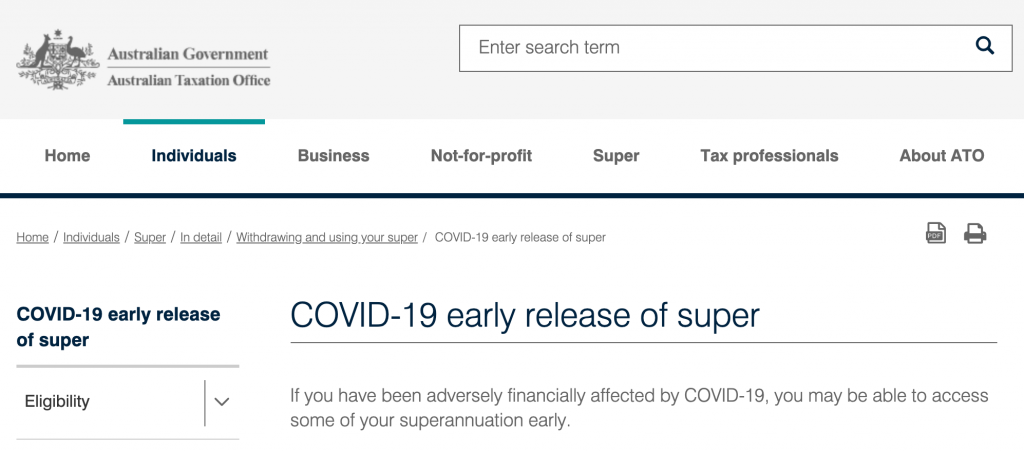
To date Australians have withdrawn over $40 billion from the retirement system as part of this early access option. Super funds (naturally) and some politicians are concerned about the future retirement incomes of these members; in particular because they are skewed to the young. These young people may now miss out on Albert Einstein’s 8th wonder of the world – compound interest – on the money they’ve withdrawn. But could an American program that started 20 years ago serve as a guide to get the retirement savings of these people back on track?
The Save More Tomorrow program (SMarT)™ from famous behavioural economists Richard Thaler and Shlomo Benartzi, focussed on nudging Americans to save more for retirement using behavioural science techniques or ‘nudges’.
Knowing that human beings have a present bias and knowing how hard it is for us to give up something we already have, the program focussed on getting its customers to commit to giving up a small % of a potential future pay rise instead. It’s much easier to give up something you don’t already have; something that’s a little way off on the horizon.

This idea hooks into our good intentions while accounting for our present bias and lack of self-control. Many financial products are built on this idea of buy now, pay later!
The SMarT program™ also considered our laziness and status quo bias and made sure that the model was opt out, rather than opt in. Participants had to do something to opt out of the program, but were defaulted into the program when signing up for the 401k plan. This was at the ideal time in terms of when they would have had the best intentions to save.
The program was phenomenally successful with the four year study showing*:
- 78% of those offered the SMarT™ plan joined
- 80% of these stayed in the program for the four years
- Most importantly – the average saving rates for SMarT™ program participants increased from 3.5% to 13.6% over 40 months.
So could we replicate these techniques to encourage super fund members here in Australia (who have dipped into their super accounts this year) to commit to higher super contributions once they are back in stable employment and back on their feet financially? A period of higher ‘catch up’ contributions if you will.

For example, a commitment that 6 months after returning to previous working hours, their voluntary contribution rate is increased by 0.5%? And maybe another 0.5% in the following year? Could we make the model opt out? And, could this go beyond nudging to being a condition of release should there be further rounds of early super access legislated by the Government? To get another round of early access, people may be asked to commit to higher contributions for a period of time down the track – of course only once they are financially in a position to do so.
There would be a few logistical challenges for super funds no doubt, in particular those that have limited relationships with their customers’ employers. These employers would be instrumental in making it happen and there would definitely be some execution effort involved.
But looking after the most vulnerable members in society, and not making them choose between poverty now and poverty in retirement, should be a core goal of Government, super funds and employers alike.
Leave a Reply