

Slipped into a few bad consumption habits in these crazy times? Reduce mindless consumption using decision points & transaction costs
Are you one of the 29% of parents in Australia that increased their alcohol consumption during the COVID-19 lockdown? Behavioral Science can help you!
But once we start consuming we all generally move into automatic “doing” mode, with not much thought to the long term health impacts.
That’s why once you open a big bottle of wine, you may often just keep drinking until the bottle is empty. If you add in decision points or transaction costs, you’re likely to consume far less wine however.
Decision Points
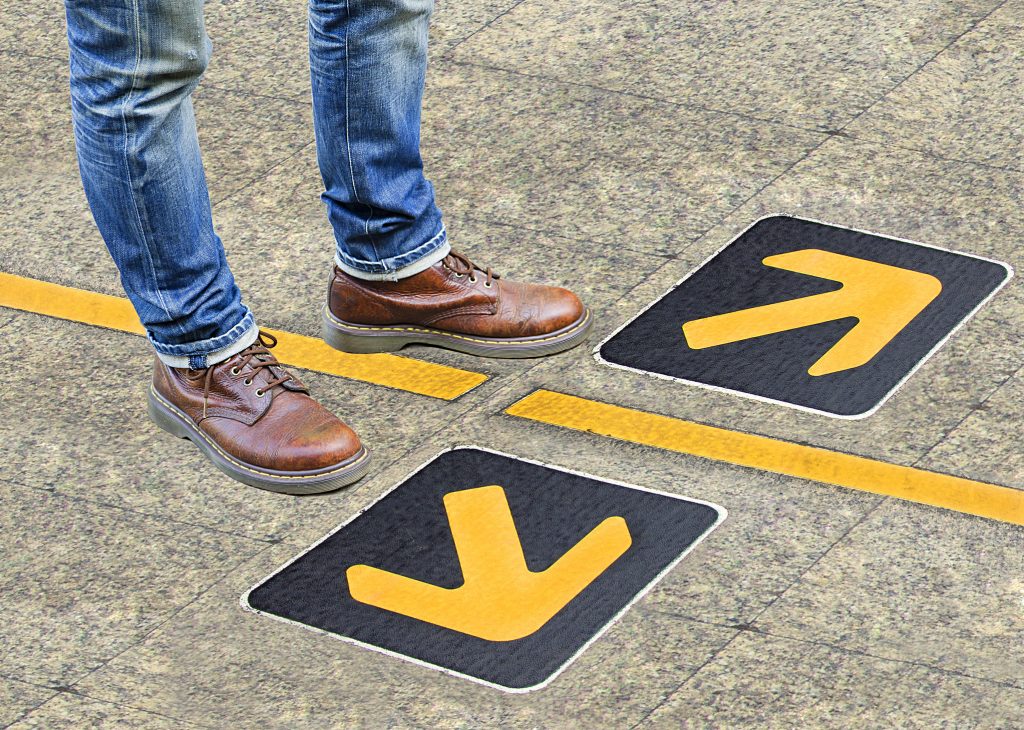
Let’s assume you buy two half size bottles instead of one large bottle of wine. When you’ve finished the first small bottle, there’s a decision point to open – or not to open – the second small bottle. This decision point kicks your brain back from automatic consumption mode into planning mode. Your more rational brain kicks in and you’re far less likely to continue consuming wine, compared to when you have a large open bottle.
Transaction Costs
If you store the wine bottles as far away from your place of consumption as possible, there’s a transaction cost in getting that next bottle. You have to leave your cosy couch or desk, possibly get additional layers of clothes on to head to the cellar or shed, or even the corner shop. Again, the mere act of this additional cost (or effort) is likely to trigger you to re-consider whether you really want an additional bottle of wine. And this keeps you in the more rational planning mode.

It doesn’t just work for wine
The good news is that of course this works not only for wine, chocolate or other food and beverage vices! You can also get your customers, citizens or employees to behave more rationally by using decision points or transaction costs in their consumption journeys.
For example:
- If you want your customers to spend less and save more, adding in decision points or transaction costs into their spending journey will reduce their overall spend.
- If you want your citizens to consume less energy, defaulting their appliances to be turned off automatically after a period of time (e.g. an air conditioner that’s turned off every hour or two), will reduce energy consumption because the customer needs to first decide to, and then physically go to turn the appliance back on.
Unfortunately decision points and transaction costs are far less likely to help you with home schooling your children though….
Until next time,
Clarissa and Dave
Leave a Reply